

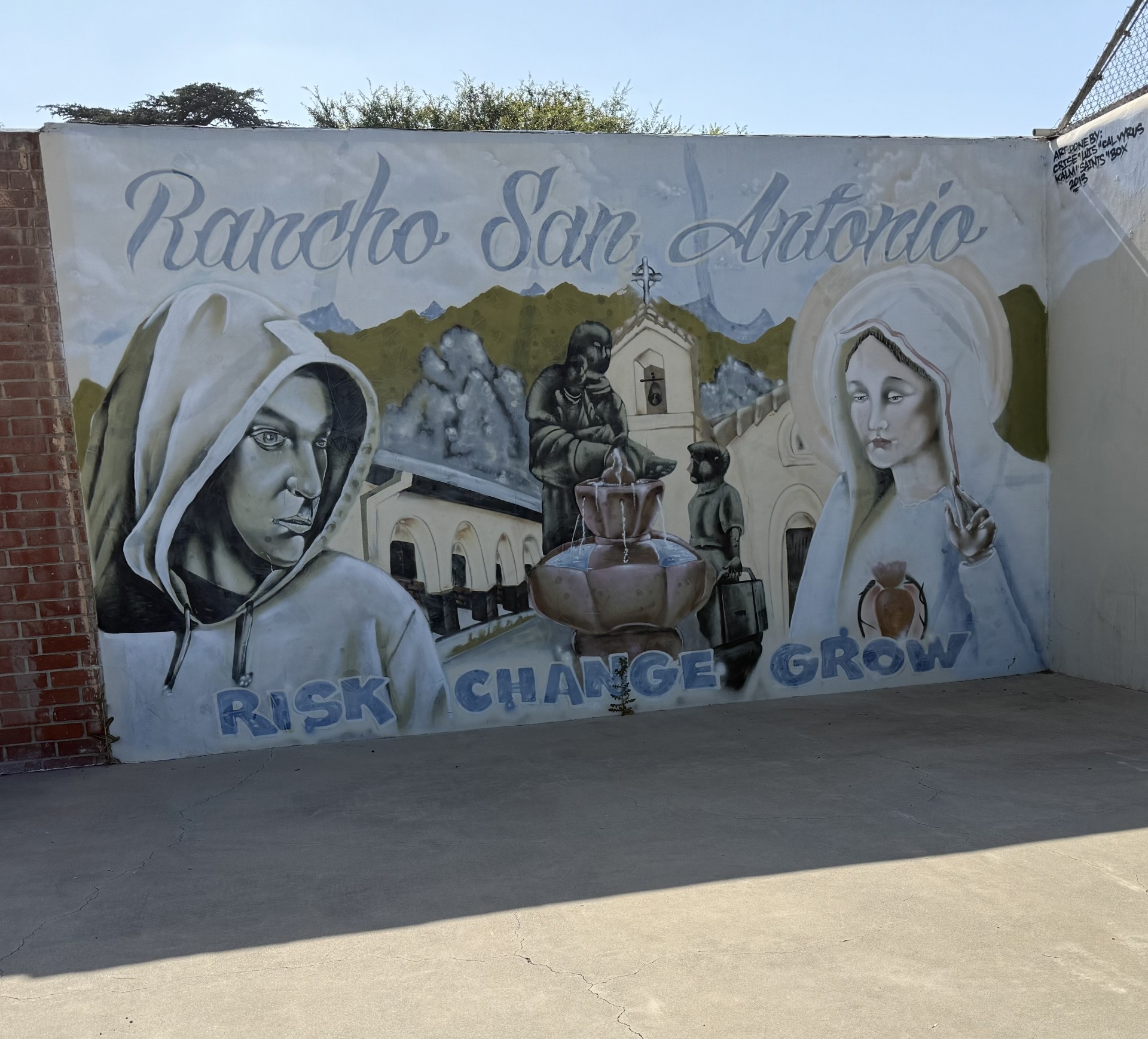
This op-ed was written by Rancho alumnus, Santo Castro, and first appeared online at “The Imprint” on 4/20/26. Last week Santo visited Sacramento and testified in front of state lawmakers to help pass bill #AB2126, known as the PEER Act.
Current background check rules require former foster youth with nonviolent records to wait up to 14 months for an exemption review, meaning agencies lose qualified candidates who cannot wait that long for a paycheck. The PEER Act would create an automatic exemption for current and former foster youth whose offenses occurred before age 21, while serious violent and child-related felonies remain excluded. Santo is a former foster youth, licensed clinical social worker and author.
The Second Chance That Saved Me — and the California Law that Could Expand Opportunities
 I emerged from foster care at age 18 with virtually nothing to my name. Today, I use my experience in the system to support young people going through the same kind of trauma and institutionalization I faced.
Yet because of minor crimes committed before they even turned 21, too many young men of color face barriers working in the kind of nonprofit youth programs that transformed my life. That’s because long delays due to background check exemption approvals often mean applicants must move on to other jobs before they can get hired at these nonprofits.
This is a missed opportunity for those like me — once labeled “delinquents” — to give back to the communities we came from. For every one of us turned away from supporting today’s youth, California also loses a chance to transform many lives by showing young people there’s hope for their future.
Second chances are what kept me from the gang life that my father and brother lived. My mom was in and out of prison, so I lived with my grandmother. After being arrested several times at age 15, I ended up in foster care, living at Rancho San Antonio, a nonprofit home for boys. I credit the second chance I received there with saving my life. Away from neighborhoods ruled by gangs and with incredible support, I was finally able to envision building a real life for myself.
But had it not been for another fortunate chance, I would likely have been forced back onto the streets. I aged out of the system just as California was launching a new transitional housing program for foster youth turning 18. With housing and support during that transition, I was able to go to college and earn my associate degree. I soon transferred and graduated with my four-year degree. After that, I returned to work at Rancho San Antonio as a peer supporter.
Being a peer supporter means being a living, walking, speaking example for kids who’ve never seen someone like them succeed — someone they can look at and think, “Wow, you were me?” Now, I spend every day trying to create second chances for young boys growing up the way I did.
Dozens of studies demonstrate that the support of people with shared experience improves outcomes in mental health and substance use recovery. But a criminal record that follows youth into adulthood poses a significant barrier to doing this healing work.
 @facebook.com/RSAorg
 @RanchoSanAntonio
 @ranchosanantonio_org
 @rancho-san-antonio